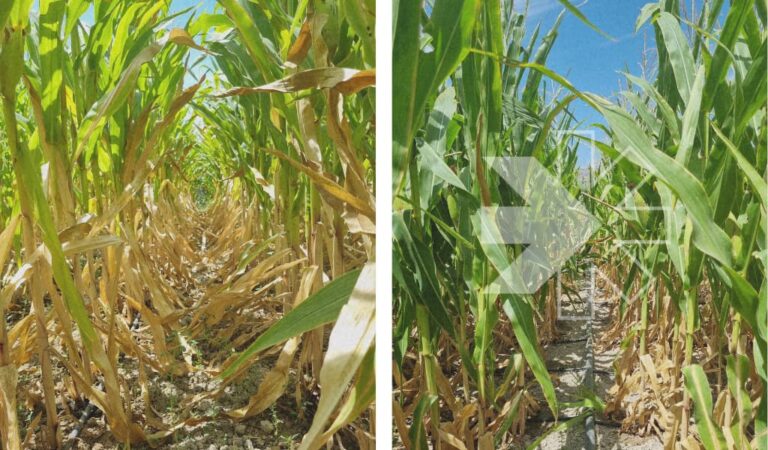

Nutrient availability is a critical factor in crop productivity and sustainability. While soils contain a wealth of nutrients, many of these are in forms that are not readily accessible to plants. Soil degradation, agronomical practices are just a couple of the factors reducing the nutrient availability in our soils.
Understanding Confined Nutrients
Confined nutrients refer to essential elements that are present in the soil but are not easily accessible to plants due to their chemical forms or interactions with soil components. These nutrients can be bound in insoluble compounds or adsorbed onto soil particles, making them unavailable for plant uptake. The availability of these nutrients is influenced by various factors, including soil pH, organic matter content, microbial activity, and the presence of other minerals.
Phosphorus Availability
Phosphorus (P) is a vital nutrient for plant growth, involved in energy transfer, photosynthesis, and nutrient movement within the plant. Despite its importance, phosphorus is often found in forms that are not easily absorbed by plants. More than 90% of soil phosphorus exists as insoluble compounds, such as calcium phosphate in alkaline soils or iron and aluminium phosphates in acidic soils. This makes phosphorus one of the most challenging nutrients to manage in agricultural systems.
Several factors affect phosphorus availability in the soil. Soil pH plays a significant role; in alkaline soils, phosphorus tends to bind with calcium, forming insoluble compounds. Organic matter can enhance phosphorus availability by forming complexes with phosphorus that are more easily taken up by plants. Additionally, microbial activity in the rhizosphere can influence phosphorus solubility. Certain soil microorganisms, such as bacillus subtillis among others, can release enzymes that break down insoluble phosphorus compounds, making them available to plants
Iron Availability
Iron (Fe) is another essential nutrient, critical for chlorophyll synthesis and various metabolic processes in plants. Despite being the fourth most abundant element in soil, iron deficiency is common due to its tendency to form insoluble compounds in high pH soils.
Nitrogen Availability
Nitrogen (N) is a key element in the synthesis of substances such as chlorophyll, proteins, and enzymes in plants. It is often a limiting nutrient for plant productivity. Nitrogen exists in various forms in the soil, including ammonium (NH₄⁺) and nitrate (NO₃⁻), which are readily available to plants. However, the majority of soil nitrogen is bound in organic matter and must be mineralized by soil microorganisms before it becomes available. The rhizosphere plays a crucial role in nitrogen cycling, with root exudates stimulating microbial activity that enhances nitrogen mineralization.
Potassium Availability
Potassium (K) is essential for various plant functions, including photosynthesis, protein synthesis, and enzyme activation. Despite its abundance in soil, only a small fraction of potassium is available to plants, as most of it is bound in minerals such as feldspar and mica.
Calcium Availability
Calcium (Ca) is vital for maintaining the structural integrity of cell walls and membranes and plays a role in signalling within plant cells. Calcium is abundant in soils, particularly in calcareous soils, but its availability can be influenced by soil pH and the presence of other nutrients. In the rhizosphere, root exudates can enhance calcium solubility and uptake. Calcium deficiency can lead to poor root development and reduced crop yields.
The Role of the Rhizosphere
The rhizosphere, the narrow region of soil influenced by root secretions and associated microbial activity, plays a crucial role in nutrient availability. Plants exude various organic compounds into the rhizosphere, which can alter the chemical and biological properties of the soil. These exudates can enhance nutrient solubility and availability by chelating minerals or stimulating microbial activity.
Microorganisms in the rhizosphere, including bacteria and fungi, contribute significantly to nutrient cycling and availability. For example, mycorrhizal fungi form symbiotic relationships with plant roots, extending the root system’s reach and increasing nutrient uptake, particularly phosphorus. Similarly, certain bacteria can fix atmospheric nitrogen, making it available to plants.
Biostimulation 360 solutions to Enhance Nutrient Availability

Role of Humistar Wg/Humistar in Soil & Rizosphere – Humistar Wg/Humistar can improve the availability of nutrients with a dual mode of action:
Increased Root Biomass – As seen above, the plants, via the roots exudates, can solubilise some of the blocked nutrients. Humistar Wg/Humistar applications will directly increase the root biomass, thus increasing the plant capacity to solubilise some of the nutrients.
Improved soil conditions: Humistar Wg/Humistar can improve the soil conditions, by improving soil aggregation and porosity, stimulating the root growth as well as water and nutrient penetration and retention in the soil. The Humic acids inside Humistar Wg/Humistar are also a food source for the microbial fauna inside the soil, stimulating the microbial activity, especially the nutrient cycling and the release of them in a absorbable form for the plant.
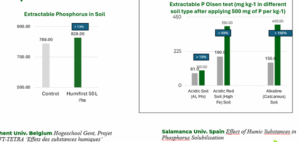
We know it works – Humic acids of Humistar Wg/Humistar increase the Phosphorus Availability in different soils types
Conclusion
With the Biostimulation 360 strategy, at Rovensa Next, we ensure the availability of confined nutrients in soil and the rhizosphere, through 2 sustainable solutions. Humistar Wg/Humistar are essential for sustainable agricultural practices. Rovensa Next solutions were especially developed to boost our soil fertility and continuous applications of our BioSolutions can increase our soil fertility and unlock the full potential of our crops.